
Bed bug infestations are still some of the biggest problems that people face today when it comes to their homes, particularly in apartments and cities. Once you treat your problem, the next big problem would be keeping bed bugs away after treatment. This is because preventing bed bugs from returning to your home should be a top priority. That is because these insects are highly resistant and can be transmitted easily through suitcases, furniture, clothing, and adjacent units. Today, there are more advanced methods for controlling pests.
The Reason Behind the Uneradication of Bed Bugs
Bed bugs feed on blood, typically while sleeping. They can fit in the seams of mattresses, wall cracks, furniture seams, carpets, behind electrical outlets, and even behind wallpaper due to their flat bodies. Infestations may go undetected for years, and may look like an issue when in reality they are not.
Another problem is that they are able to go unseen. Bed bugs are often carried in suitcases, on public transport, in second-hand furniture, and via shared walls of apartments. If not treated, infestations can rapidly spread from one unit to another in urban areas.
New Approaches to Pest Management
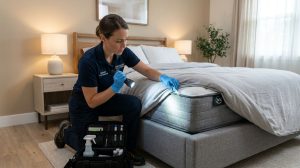 Modern pest control firms are not just interested in a single, simple solution; instead, they take a holistic approach to problem-solving. Treatment programs may vary depending on the severity of the infestation, property layout, and safety considerations, to name a few.
1-Heat Treatments
One of the most efficient ways of killing bed bugs and their eggs is to heat treat the problem areas. Specialized equipment can heat up rooms to temperatures toxic for bed bugs, but not harmful to most of the contents of the room.
2-Vacuuming and Steam Treatments
Insects are often extracted from mattresses, carpets, furniture, and upholstery with the use of vacuuming or steam. Steam can get into fabrics and kill insects in seams and folds.
3-Monitoring Systems
Pest control companies can then set up monitoring equipment to see if any activity is left after the treatment. The traps will help ascertain if further treatment is required, and give some peace of mind that the infestation is under control.
Bed Bug Post-treatment Plan
After treatment, the proper habits are essential. If a homeowner takes proper care, he or she is much less likely to have a recurrence of the infestation.
1-Reduce Clutter
All the clutter has so much hiding space for pests. Organized rooms will be easier to inspect in the future and will minimize nesting areas.
2-Inspect Furniture Carefully
Second-hand furniture and mattresses should always be carefully examined before being transported inside. One single bed bug will reinitiate the infestation.
3-Use Protective Covers
The use of mattress and box spring encapsulations keeps bed bugs from becoming concealed in mattresses and box springs. These covers also facilitate future inspections.
4-Be Alert While on the Move
Shared housing, public transport, and hotels are still frequent exposure sources. Travellers should check their bags thoroughly and not lay suitcases on beds/ carpets.
The Significance of Professional Follow-up
A common error that homeowners make is trying to think that one treatment is enough to last a lifetime. In practice, it is often essential to carry out follow-up inspections to help achieve complete eradication. The bed bug life cycle is understood by Pest Management professionals, and they know when more visits are needed.
Early treated eggs may survive to hatch later, so it is important to monitor in the weeks following extermination. Homeowner-pest specialist communication can also be helpful in identifying recurring risk factors such as neighboring infestations and/or untreated areas in shared structures.
Preventive Pest Management (PPM) and Its Prevalence
This is particularly beneficial in apartment complexes, hotels, dormitories, and office buildings, where pests are able to spread from one tenant to another very quickly. Early detection helps you to save a lot of treatment expenses and causes less disruption.
Smart Techniques for Home Maintenance
An organized house can be very helpful in preventing future infestations of pests in your house. This is because you should ensure that you check areas like furniture and mattress corners, which accumulate dust; if not, this will cause many problems. Homeowners should educate themselves on issues of sanitation, seasonal maintenance of the home, and indoor tidiness. It could also be a good idea to read “The Goal of Every Pest Control Service.”
Conclusion
While bed bugs continue to be one of the most stubborn urban pest issues, modern pest management has advanced and become more effective than ever before. Extermination alone is not enough to be successful. Prevention, monitoring, education, and long-term maintenance are needed. Consistency is critical for homeowners to maintain the effectiveness of their pest control activities even after the process is over. It will allow them to get a house that does not have any pests at all. In addition, they will avoid the hassles of pests at all costs.